

Mole Removal in Berkshire: What to Expect
Thinking about mole removal in Berkshire? Whether your reasons are cosmetic or you're simply concerned about a change, this guide explains what to expect at Apex Skin Clinic, from your first consultation and the procedure itself through to recovery, scarring, and aftercare.

Basal Cell Carcinoma Treatment: Symptoms, Diagnosis and What to Expect
Basal cell carcinoma is the most common skin cancer in the UK, and also one of the most treatable. This guide explains basal cell carcinoma treatment at Apex Skin Clinic, covering the early signs, how it's diagnosed, surgical and non-surgical options, and what aftercare involves.

What Happens During Skin Cancer Surgery at a Private Clinic?
Just been diagnosed with skin cancer and facing surgery? Apex Skin Clinic in Berkshire walks you through every stage, from excision and reconstruction to non-surgical options like PDT and cryotherapy.

FotoFinder Mole Mapping: What to Expect at Your Appointment
If you have been thinking about getting your moles checked professionally, this guide covers everything you need to know about FotoFinder mole mapping at Apex Skin Clinic, from what happens on the day to what the results mean.
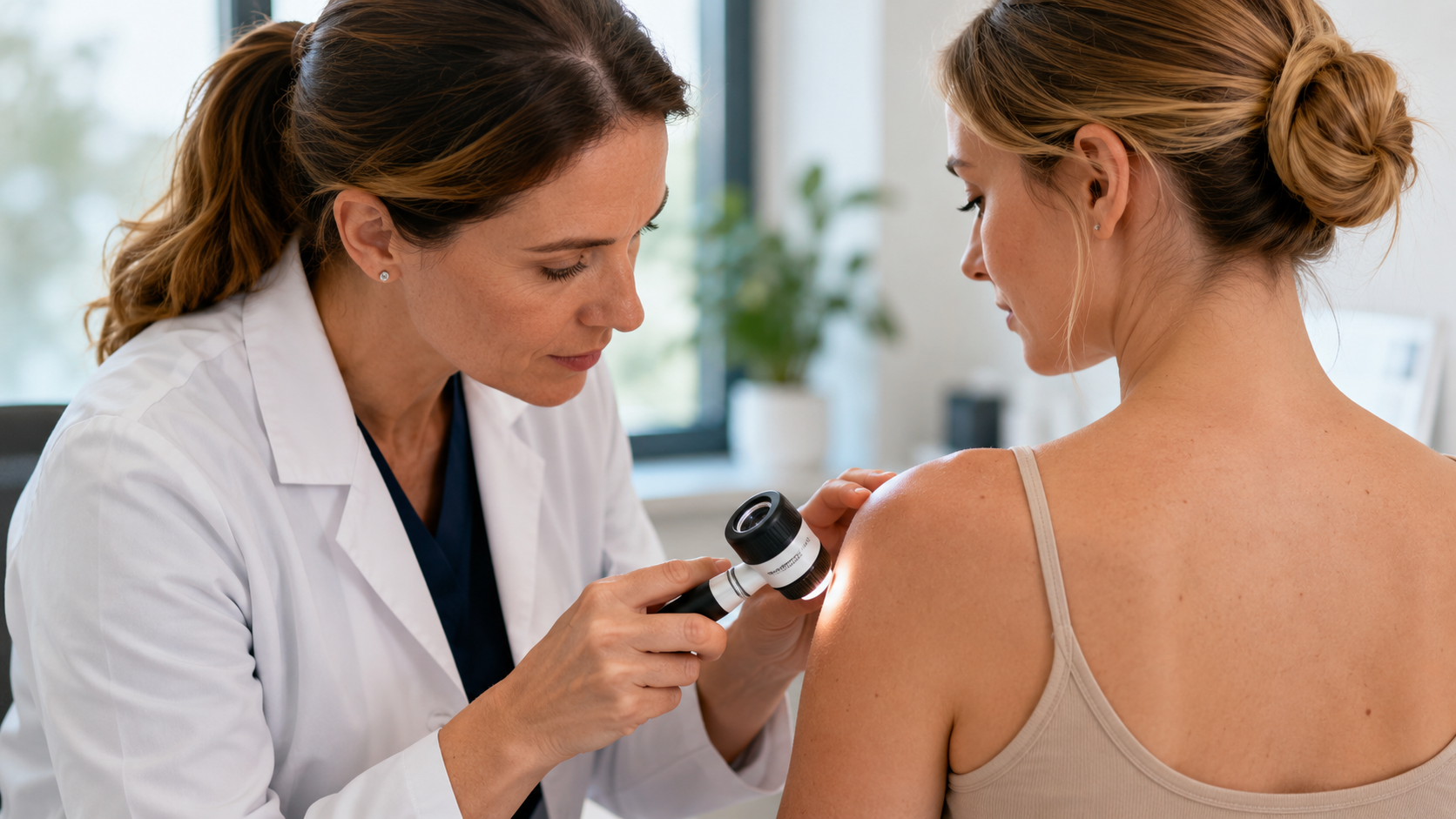
What Are the Early Signs of Skin Cancer to Look For?
Learn the early warning signs of skin cancer, including changes to moles, new growths, and unusual skin patches. Expert guidance from the consultant-led team at Apex Skin Clinic Berkshire.

Are Your Everyday Products Causing Your Skin Concern?
Persistent skin rashes are often caused by allergic reactions to everyday products. Learn how dermatology patch testing identifies skincare, cosmetic, and environmental allergens responsible for contact dermatitis.

The ABCDE Rule for Melanoma: What to Look for at Home
The ABCDE rule helps identify warning signs of melanoma when checking your skin at home. Learn what changes in moles to look for and when to seek professional skin cancer screening.
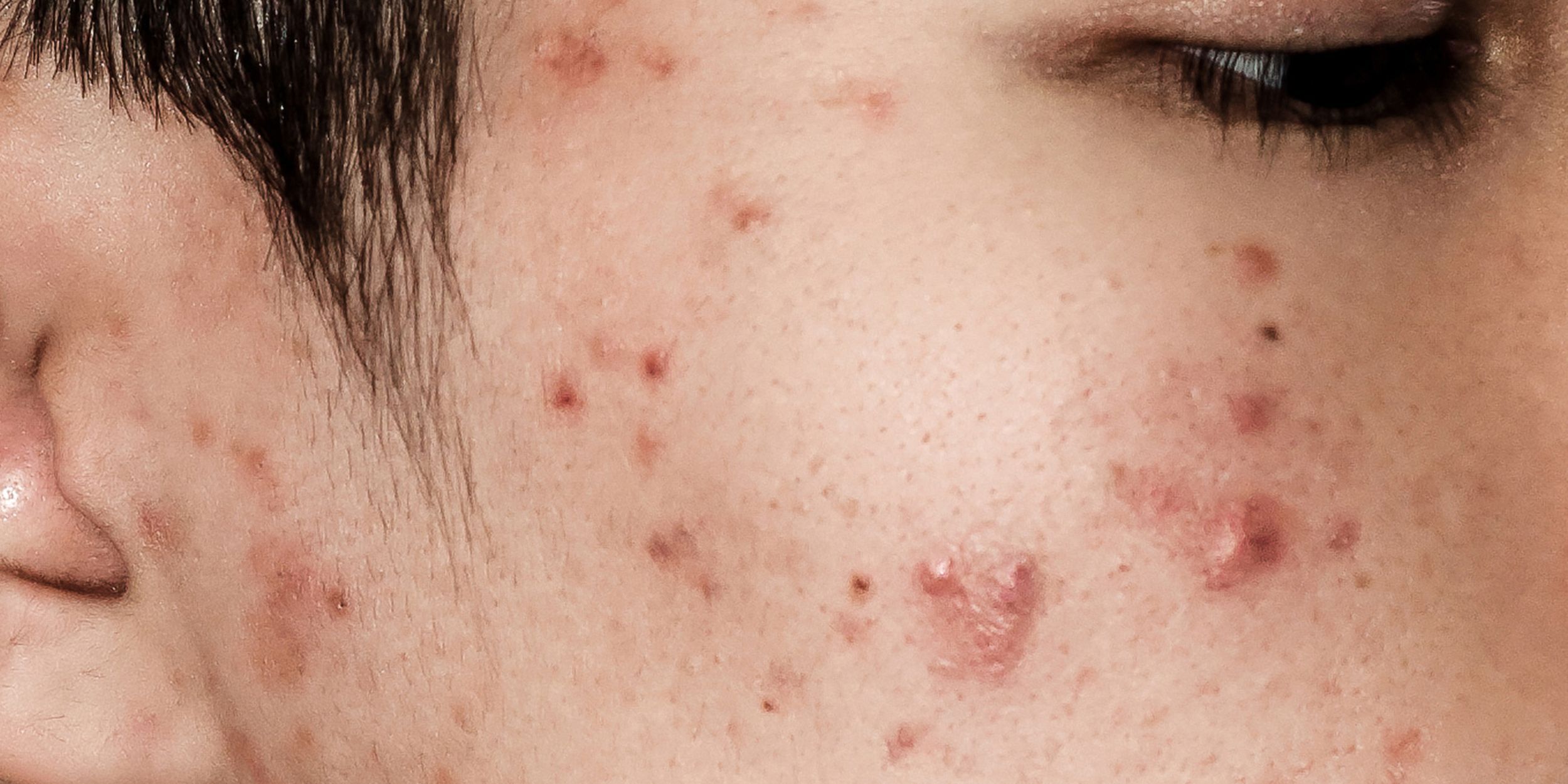
Dry Skin, Eczema, Dermatitis or Psoriasis? How a Dermatologist Tells the Difference
Red, itchy, or irritated skin can have many causes. Dry skin, eczema, psoriasis, and allergic reactions often appear similar, which can make self-diagnosis difficult. This guide explains how dermatologists distinguish between common inflammatory skin conditions and when to seek specialist assessment.