
The ABCDE Rule for Melanoma: What to Look for at Home
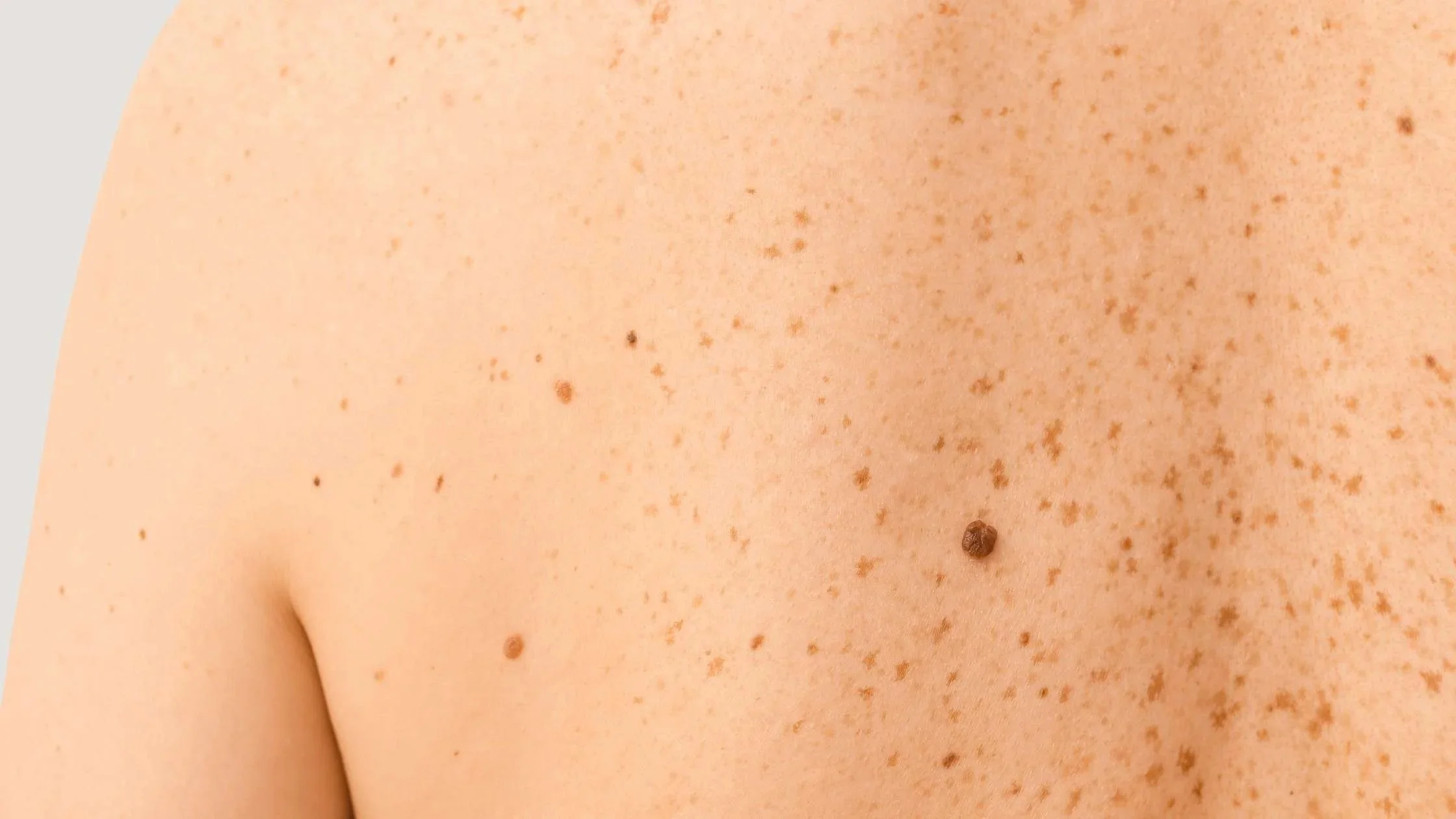
Checking your skin regularly is an important part of skin cancer prevention and early detection. The ABCDE rule is a simple guide used to identify warning signs in moles that may require medical assessment.
While most moles are harmless, recognising concerning changes early can make a significant difference. At Apex Skin Clinic Berkshire Grove Hospital, we provide consultant-led skin cancer screening, mole checks, and digital mole mapping in Maidenhead, supporting patients across Berkshire, London, and Surrey.
Home checks are helpful. However, professional assessment remains essential for accurate diagnosis and early detection of skin cancer.
What Is Melanoma?
Melanoma is a type of skin cancer that develops from pigment-producing cells known as melanocytes. It can arise from an existing mole or appear as a new lesion on previously normal skin.
Although less common than other forms of skin cancer, melanoma carries a higher risk of spreading if not detected early. Early melanoma detection in Berkshire and across the UK significantly improves outcomes.
It is also important to understand that melanoma is different from non-melanoma skin cancer, which includes basal cell carcinoma and squamous cell carcinoma. If you are wondering what is non melanoma skin cancer, it refers to more common skin cancers that usually grow more slowly but still require treatment. Recognising non melanoma skin cancer symptoms, such as non-healing lesions or scaly patches, is equally important in overall skin cancer early detection.
What Is the ABCDE Rule?
The ABCDE rule is a practical method for checking moles at home. It helps identify visible warning signs that should prompt further review by a dermatologist.
If you are unsure when to get a mole checked, the ABCDE rule provides a useful starting point.
Each letter represents a specific feature to monitor.
A – Asymmetry
A normal mole is usually symmetrical. If you draw an imaginary line through the centre, both halves should look similar.
Concerning signs include:
One half that does not match the other
Uneven shape
Distortion in outline
Asymmetry is often one of the earliest visible changes in melanoma and highlights how to detect early skin cancer at home.
B – Border Irregularity
Benign moles typically have smooth, well-defined borders.
Seek medical advice if you notice:
Ragged or blurred edges
Notched or scalloped borders
A spreading outline
Border irregularity can indicate abnormal growth patterns and should prompt a professional mole check.
C – Colour Variation
Most harmless moles are a single shade of brown.
Warning signs include:
Multiple colours within one mole
Black, blue, red, white, or grey areas
Uneven distribution of pigment
Colour variation is an important feature assessed during professional examination using digital dermoscopy, which allows magnified evaluation of pigment patterns beneath the surface.
D – Diameter
Melanomas are often larger than 6mm in diameter, approximately the size of a pencil eraser.
However, size alone is not diagnostic. Some melanomas are smaller when first detected. Any mole that appears to be growing should be evaluated.
If you are unsure when should you get moles checked, increasing diameter is one reason to seek assessment.
E – Evolution
Evolution refers to change over time. This is one of the most significant warning signs.
Concerning changes include:
Increase in size
Change in shape
Change in colour
Bleeding or crusting
New symptoms such as itching
If a mole is evolving, prompt dermatology review is advisable. Many patients ask where do I go to get moles checked. A consultant-led clinic provides accurate assessment and reassurance.
Are Home Checks Enough?
Regular self-examination is encouraged. Becoming familiar with your own skin makes it easier to notice change.
However, the naked eye cannot detect microscopic or structural changes beneath the surface. Digital dermoscopy and mole mapping allow dermatologists to identify subtle patterns that may not be visible at home.
If you are researching what is mole mapping, it is a specialised technique that captures high-resolution images of moles to monitor change over time. At Apex Skin Clinic Berkshire Grove Hospital, our mole mapping clinic in Maidenhead uses advanced digital imaging technology to support skin cancer early detection.
For patients travelling from the capital, we also welcome those seeking mole mapping London within a consultant-led private setting.
Who Should Have Regular Skin Cancer Screening?
You may benefit from professional skin cancer screening if you:
Have more than 50 moles
Have fair skin that burns easily
Have a personal or family history of melanoma
Have previously used tanning beds
Have experienced severe sunburn in childhood
Notice a new or changing mole
If you are wondering how to get moles checked, booking a structured consultation with a dermatologist ensures thorough examination.
Some patients may require a single mole check, while others benefit from full body examination or digital monitoring.
What Happens During a Professional Mole Check?
A full body mole check involves:
A structured consultation
Examination using digital dermoscopy
Digital photography where appropriate
Advice regarding monitoring or removal
If a suspicious lesion is identified, biopsy or excision may be recommended. Early-stage melanoma is highly treatable when detected promptly.
Understanding how can you detect skin cancer early involves both self-examination and professional imaging.
Why Choose Apex Skin Clinic Berkshire Grove Hospital?
Apex Skin Clinic provides private skin cancer screening in a calm, consultant-led environment.
We offer:
Full body mole checks
Single mole check appointments
Digital mole mapping
Early melanoma detection
Assessment of non-melanoma skin cancer
Skin cancer diagnosis at a private clinic in Berkshire
Our team supports patients across Maidenhead, Berkshire, London, and Surrey with expert dermatology care focused on early detection of skin cancer.
Frequently Asked Questions About the ABCDE Rule and Melanoma
How often should I check my moles at home?
You should examine your skin once a month. Regular checking moles helps you become familiar with your normal pattern. If you notice change, arrange professional review.
How can you detect skin cancer early?
Early detection of skin cancer involves monthly self-examination using the ABCDE rule and regular professional skin cancer screening. Digital dermoscopy and mole mapping improve accuracy.
What is non melanoma skin cancer?
Non melanoma skin cancer refers to common skin cancers such as basal cell carcinoma and squamous cell carcinoma. These often present as non-healing sores, scaly patches, or lumps and should be assessed promptly.
Is mole mapping necessary if I check my skin regularly?
Home checks are valuable. However, mole mapping provides detailed photographic comparison over time. This strengthens skin cancer early detection and identifies subtle changes that may not be visible to the naked eye.
When should I get a mole checked?
You should arrange assessment if a mole changes in size, shape, colour, or texture. Rapid evolution, bleeding, or pain requires prompt review.
Where can I have moles checked in Berkshire?
Apex Skin Clinic Berkshire Grove Hospital provides consultant-led mole checks, single mole check appointments, and digital mole mapping in Maidenhead. We welcome patients seeking early melanoma detection in Berkshire and London.